Back to Basics
We embark on the world as children, rosy-cheeked and through twinkling, curious eyes. The surrounding world gleams, a fascinating subject of simultaneous interest and opportunity, yet resulting uncertainty.
In our own charming bewilderment, we pose hundreds of questions to our parents, our valiant protectors — who we then equate to superheroes rather than the raw, admirable, though flawed, people they truly are.
But so is the marvel of the “tabula rasa,” or the “blank slate,” as it is more widely known: as we enter consciousness, some argue, we are in the pristine original state, not yet changed, blemished or affected by people or experience.
As such, children are found in a vulnerable, yet beautiful, state of optimism and naivety.
Our innocent minds and hearts are a far cry from the painful tragedies that will arrive in time, or the mundane tasks and adult responsibilities that come with greater wisdom.
The words “discipline” and “routine” have yet to even be introduced into our world.
And so sets the stage for a naturally draining, jading experience of aging.
Inevitably, as the years march on, we are exposed to more tragedy, loss and struggle. With every decade, some might argue, in spite of our joys and accomplishments, our memory and optimism may be more strongly plagued by our pains.
After being exposed so repeatedly, with age, to the instances of darkness that exist within our world, the overall perception of our existence becomes all the more darker and drearier for it.
One day we wake up and, suddenly, the innocence of childhood is more attractive than the freedom we once innocently believed we were working toward.
How do we combat this emotional wear and tear inherent to the human experience? How do we slow this jading process after years of trauma, heartbreak and knowledge?
Can these rose-tinted glasses be reclaimed after the dark realities of older life rendered their vision to a dimmer hue?
Where do these childlike selves reemerge in our adult selves and how can we keep them around?
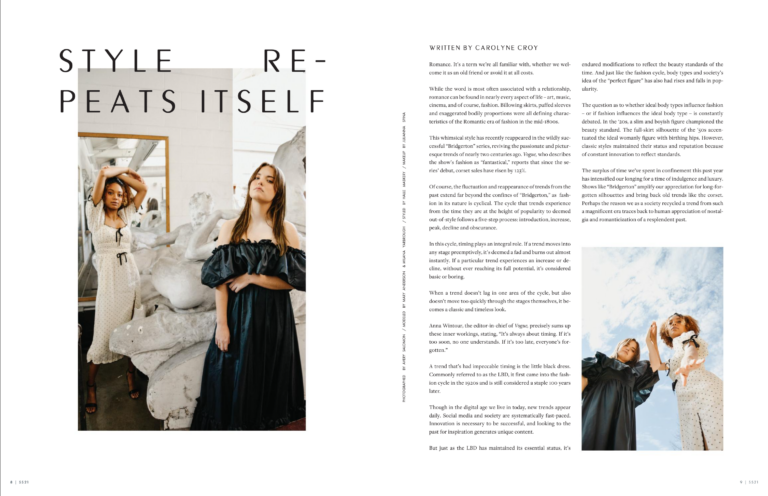
To some, it is unfathomable that our much smaller selves could extend a simple smile or a toy to another child on the playground and, within minutes, befriend a fellow pirate or superhero.
We paid no mind to the truth that this young boy or girl, zooming along the playground, was essentially a stranger.
Maybe, as cynical adults, worn down by past relationships and falling outs, opening up to a stranger becomes a much more uncommon, undesirable concept.
Perhaps, the process of opening up to others is much more emotionally draining when we are all too familiar with the emotional risk we take when investing in a person to whom we grow close. We wager, despite the proven likelihood that such connection might break, either in a sudden severance or an equally painful fade-out.
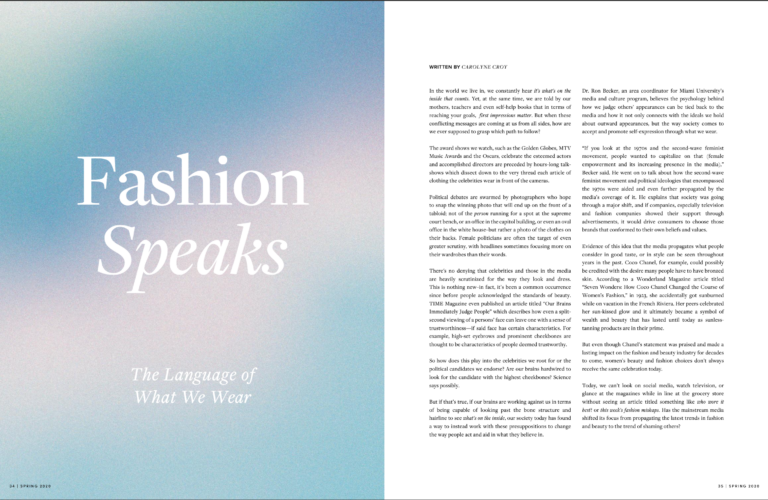
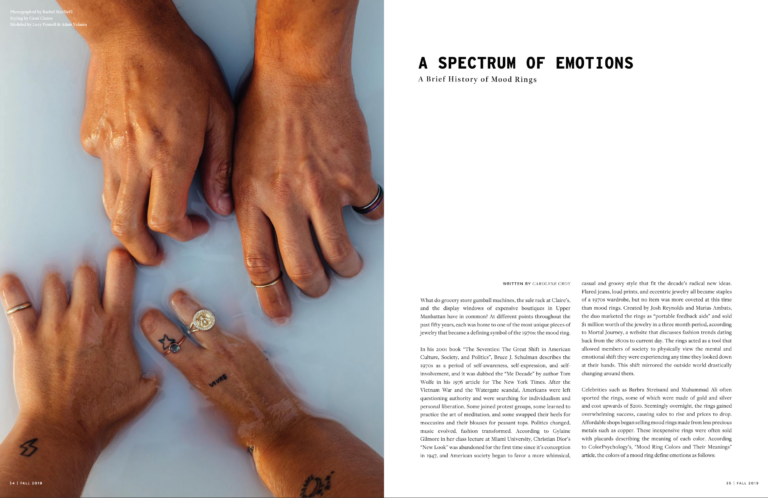
Those playgrounds and parks that once shapeshifted in imagination from a pirate ship to a castle and beyond may eventually become a clichéd gathering place for first kisses and underage drinking.
In other words, some of the places even most characteristic of our youth can become the location where the only remaining shred of our innocence is lost.
Countless literature, cinema and music have attempted to encapsulate this loss of innocence we all arrive at eventually. The archetypal coming-of-age film corners this very concept.
The nostalgic warmth of the American classic, coming-of-age film aims to instill a familiar longing for reckless juvenescence in its viewers, yet it also begs the question: how do we live out the rest of our days not knowing if the sense of being innocently carefree will ever come back around?
Perhaps the answer requires us to go back to the basics. Maybe in order to revive the childlike self deep within each of us, we ought to take a step back to cherish the simple pleasures in life.
Maybe the world around us can glitter again in the same golden haze of potential as it did when we were children – just with a slight shift in perspective.
Simple people, places and things once captured our innocent, curious gaze.
So, maybe it’s about observing the beauty in the everyday aspects of life, as adults, no matter how mundane.
The smile from your childhood bus driver is replaced by that of the unknown, friendly passerby on your morning commute.
The classmate who lent a pencil is now the friend that covers the Uber trip charge without a second thought.
That little boy from the playground, who you once could befriend in less than two minutes, becomes the weekend spin class frequent who you learn to gradually warm up to after a few brush-ins.
The juvenile magic of elementary school pajama day stands no match against the cherished, peaceful, adult moment spent enjoying your crisp cup of morning coffee.
This ability to appreciate life through the eyes of a child may no longer be innate in us as adults – living innocently once again might require some rewiring of our perspectives.
But if you were to take a second to close your eyes and remember how it once felt to owe nothing to the world but your own untapped potential, you might find that recognizing these subtle beauties in every day is a small price to pay to reclaim your astray, younger self from within.